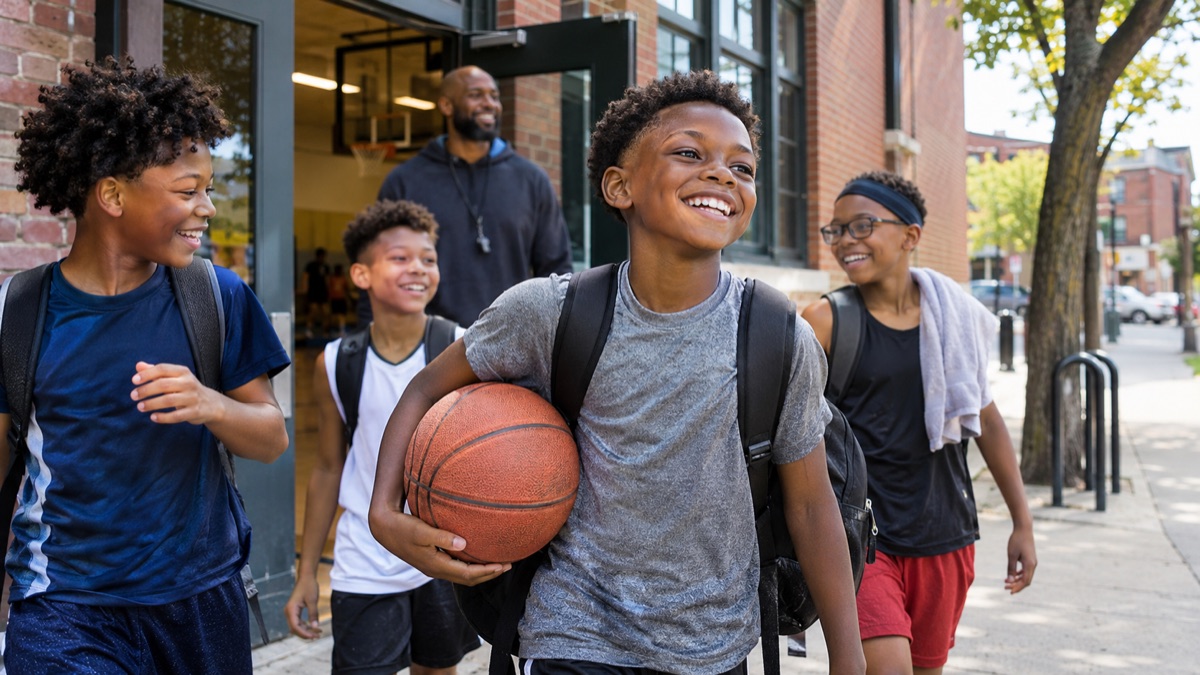
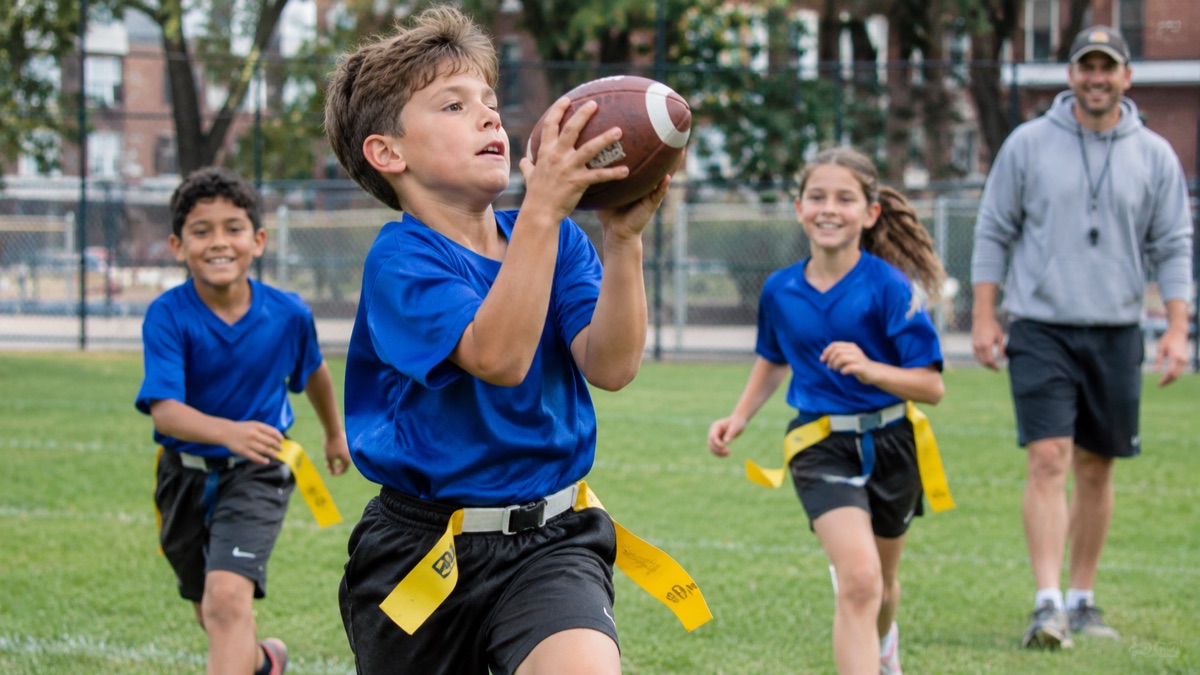
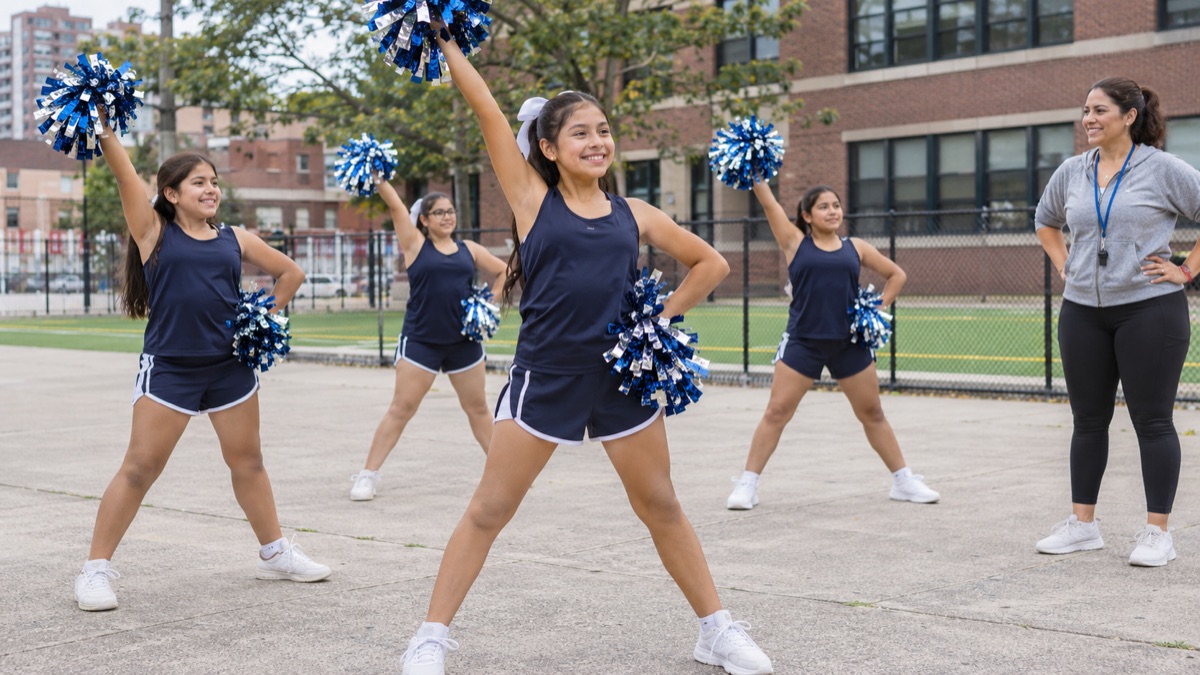
Player and Volunteer Spotlight Questions
Use focused player and volunteer spotlight questions to collect specific stories, accurate quotes, and appropriate media for sports team content.
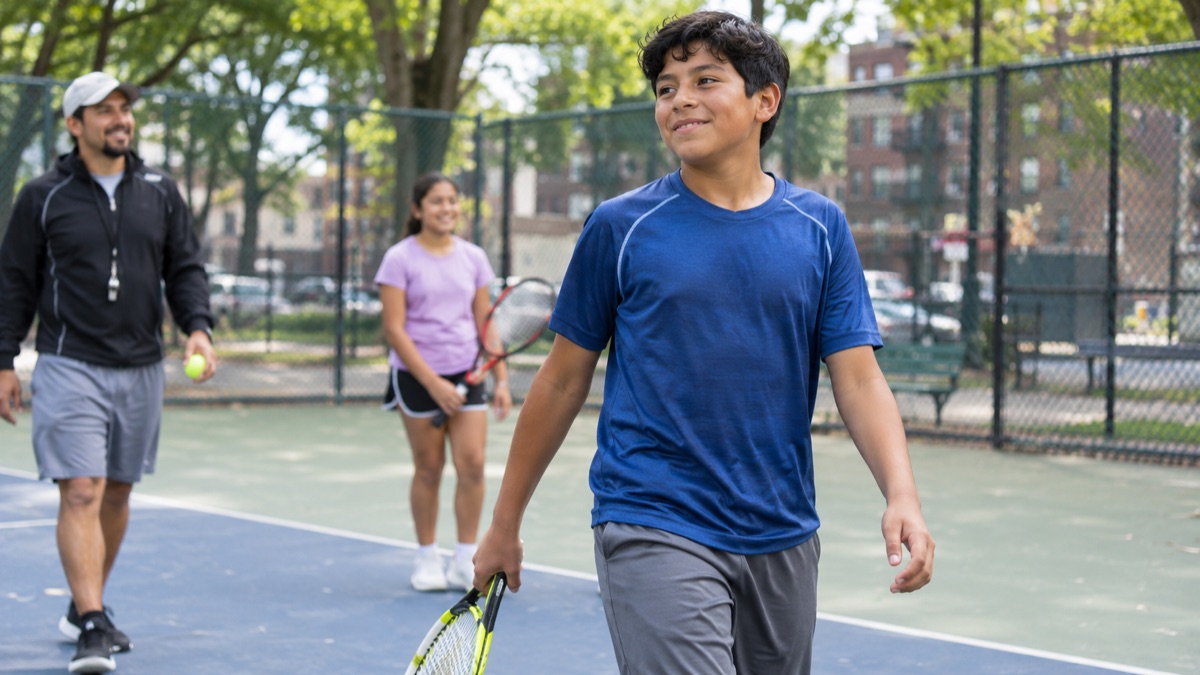
A short spotlight becomes interesting when it reveals a specific experience. Ask a person about something they did, learned, or enjoy contributing, then use the answer accurately and with the appropriate review.
Choose questions suited to the person's role and comfort. For minors, follow the organization's interview, consent, and media process before collecting or publishing material.
Questions for a player story
- What is one part of preparing with this team that you enjoy?
- Which team routine helps you feel ready for an event?
- What have you learned about working with teammates this season?
- Is there a team moment you are comfortable sharing that stands out?
- What would you tell someone who is new to following your sport?
Ask one or two questions rather than sending a long questionnaire. Give the person room to decline or suggest a different topic. Avoid private health, family, school, or personal circumstances unless the organization has an appropriate reason and process for discussing them.
Questions for an adult volunteer
- What task do you usually handle on event day?
- What first brought you to the club or program?
- Which small preparation step makes your job easier?
- What do you wish newcomers understood about the work?
- What is one moment that made volunteering worthwhile for you?
Specific answers provide the story. If someone explains how they set up equipment before a session, describe that contribution instead of replacing it with generic praise.
Questions for a coach or staff introduction
Ask what newcomers should understand about the program, what a normal preparation day looks like, or which general team habit they value. Keep the discussion suitable for public use and avoid requests for private tactics or participant assessments.
An approved quote can be short. A clear sentence explaining a real routine often gives a photograph enough context without turning the post into a full profile.
Turn an answer into a post
| Material collected | Editorial step |
|---|---|
| Person's preferred public name and role | Confirm spelling and attribution |
| Exact answer | Preserve the meaning; do not invent a quote |
| Suitable photo | Confirm it is the approved public asset |
| Context | Explain the program or activity briefly |
| Review contact | Check final wording before publication |
For a fictional example, an adult equipment volunteer might describe checking every bag before departure. The resulting post can explain that task and thank them for it. It does not need an invented claim that the routine improved competition results.
Edit for clarity without changing the story
Remove repeated words where appropriate, but confirm substantive edits with the person or designated reviewer. If the response is unclear, ask a follow-up rather than writing a more impressive answer on their behalf.
Avoid turning personal observations into universal claims. “I enjoy helping set up the field” describes the speaker's experience; it does not establish that every volunteer feels the same way.
Keep a reusable interview brief
Store the agreed topic, answer, attribution, approved media, review contact, and intended publication window together. Recheck permission and context before reusing an old spotlight. A story about last season should not appear to be a current interview.
Use the sports content ideas guide to place spotlights within the season and the photo and caption checklist to complete the publishing handoff.
Skale Editorial · Illustrative photography. Examples identified as fictional are planning examples, not customer results.