Sports Photo and Caption Handoff Checklist
Use a sports photo and caption checklist to hand off the approved asset, accurate context, credit, review contact, and final channel version.
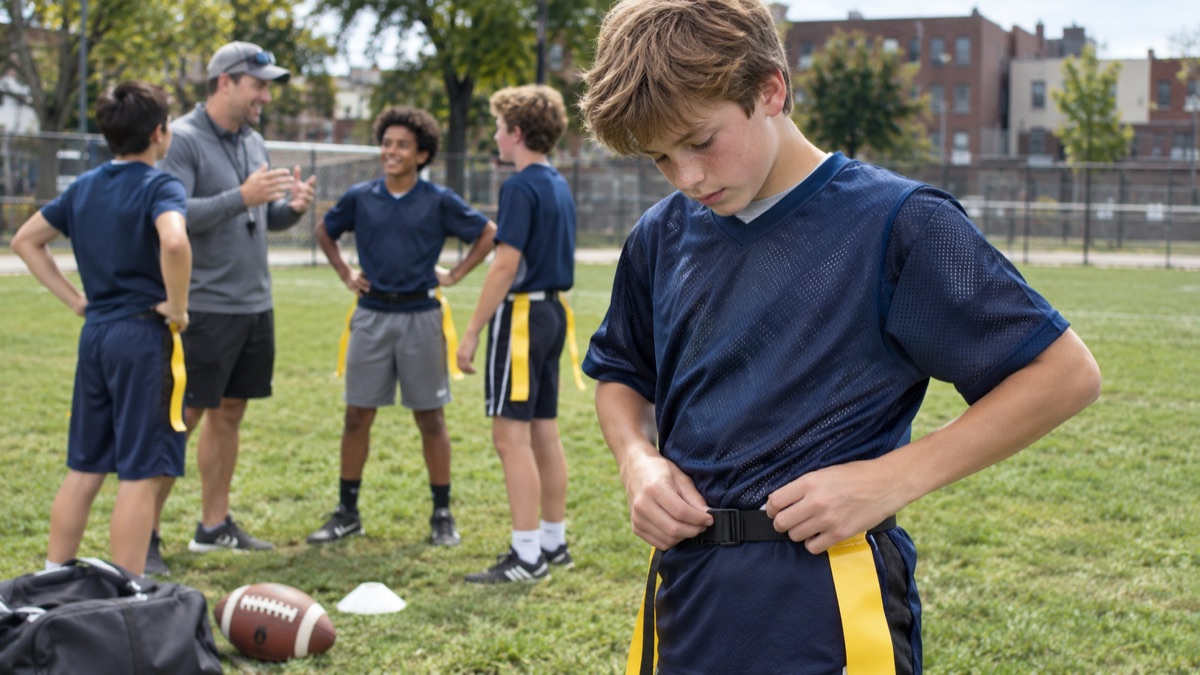
A strong sports photo can still create a weak post when the publisher does not know who it shows, what happened, or which version is approved. Treat the image and its context as one handoff.
This checklist helps the person supplying media and the person publishing it agree on what is ready. Use it alongside your organization's own permissions and media policies.
Confirm the source file
Send the actual selected file or its exact shared location. Avoid an instruction such as “use the one in the group chat” when several near-identical versions exist. Keep a clear name or reference connecting the asset to the intended post.
Check whether the image needs a specific credit or carries restrictions the publisher should know about. Possessing a file does not establish that the organization can use it publicly.
Collect the factual context
| Check | Information to supply |
|---|---|
| Activity | What is happening in the image? |
| Date and event | When and where did the pictured activity take place? |
| People | Correct public names and roles where appropriate |
| Permission review | Who checked suitability for the intended use? |
| Credit | Required photographer or source credit |
| Caption point | The one useful story the image supports |
| Reviewer | Contact who can resolve questions |
If the image is illustrative or from an older activity, make that context clear in the post. Do not let a convenient photo imply it documents an event it did not show.
Review the whole frame
Check the background for documents, screens, bystanders, or restricted details. Confirm that the asset is appropriate under the organization's rules, especially when participants are minors. Hold an uncertain asset rather than assuming that another person already approved it.
Select a composition that remains understandable after the intended channel crop. A wide team photo may lose its subject when displayed in a smaller card. Preview the real version before scheduling.
Prepare the caption with the image attached
Write what the reader needs to understand, then verify names, dates, event facts, and the public destination. If the caption quotes someone, confirm the wording and attribution. Do not invent context to make a photograph feel more dramatic.
A fictional club might hand over an equipment-preparation photo with the note: “Adult volunteers preparing bags before Saturday's event; the coordinator has approved the image.” That gives a publisher a clearer starting point than an unexplained attachment.
Complete the final channel check
Confirm the intended account, publish time zone, caption, asset, credit, and destination together. Do not approve the caption in one thread and silently substitute another image later. If either element changes substantially, repeat the relevant review.
Write helpful alternative text where the publishing channel supports it. Describe the meaningful visible content rather than stuffing the description with keywords or repeating an unrelated promotional message.
Keep the handoff record after publication
Save the public URL, final asset reference, date, and any correction notes. This makes later reuse easier to review and helps a backup publisher understand what actually went live.
If content must be corrected or removed, use the organization's established process and update the planning record. For the larger workflow, connect this checklist to the multi-team brief and content calendar.
Skale Editorial · Illustrative photography. Examples identified as fictional are planning examples, not customer results.